

The moments following an accident are often a blur of flashing lights, adrenaline, and confusion. Once the dust settles, you are left with mounting medical bills, the stress of missing work, and a dizzying uncertainty about what the future holds. It is during this time that most people ask, “Do I need a personal injury lawyer for my claim?”
While a minor incident with no injuries might be something you can handle on your own, most situations involving significant harm come with overwhelming paperwork and bureaucratic tape. If your accident involves any of the five following considerations, you might benefit from hiring a personal injury lawyer.
What Can a Personal Injury Lawyer Do for Me?
Many people hesitate to call a law firm because they aren’t sure what an attorney actually does behind the scenes. In reality, a lawyer acts as your shield and your strategist. From the moment we take your case, our goal is to take the legal burden off your shoulders so you can focus on healing.
A personal injury lawyer handles the heavy lifting, which may include:
- Evidence Preservation: We may secure dashcam footage, witness statements, and accident reports before they disappear.
- Medical Coordination: We aim to make sure your injuries are documented properly by local providers at facilities like Renown or Saint Mary’s.
- Lien Negotiation: We will attempt work to reduce the amount you owe to hospitals and insurance companies at the end of your case in an effort to help you keep more of your settlement.
Do I Need a Personal Injury Lawyer? 5 Red Flags That You May Need One
When you are dealing with a claim, certain red flags indicate that the situation has become too complex to handle alone. If you are wondering, “do I need a personal injury lawyer?” here are five signs that professional legal intervention is necessary to protect your rights.
1. The Insurance Company is Playing Hardball
Insurance adjusters often start out sounding friendly. They may call to “check-in” on you, but their primary goal is to protect the insurance company’s bottom line. You might receive a lowball settlement offer before you have even finished your medical treatment. This is a common tactic used to close a claim for the smallest amount possible.
If the insurance company stops returning your calls, refuses to cover your current medical bills, or pressures you to sign a release right away, you need an advocate. At Jensen Personal Injury Law, we understand the tricks adjusters use, and we know how to hold them accountable.
2. Liability for the Accident is Disputed
In Nevada, proving who was at fault is essential to recovering damages. Under NRS 41.141, the state follows a modified comparative negligence rule. This means you can recover compensation as long as you are 50% or less at fault, though your recovery is reduced by your percentage of blame.
If the other party denies causing the harm, the case becomes a legal battle. Proving negligence requires a professional investigation to gather witness statements, surveillance footage, or expert testimony. If the insurance company is blaming you for your own injury, it is time to seek help.
3. You Have Suffered Severe or Permanent Injuries
If your injuries required surgery, a hospital stay, or resulted in a long-term disability, your claim is no longer simple and could benefit from a legal expert. Serious injuries involve significant non-economic damages, such as pain and suffering, which are difficult to quantify without legal experience.
A lawyer can also help manage medical liens. If you have thousands of dollars in hospital bills, your attorney can often negotiate with providers to reduce those costs at the end of the case, putting more of the settlement money back into your pocket. However, it is important to keep in mind that results depend on the specific facts of each case and are not guaranteed.
4. Multiple Parties or Government Entities are Involved
Accidents involving commercial businesses, trucking companies, or government entities like the city or county involve complex layers of insurance. When a government entity is involved, there are strict notice requirements that are much shorter than the standard deadline. Missing one of these technical windows can end your case before it even begins.
5. Technical Procedural Deadlines are Looming
In Nevada, you typically have two years from the date of the accident to file a lawsuit, a period known as the Statute of Limitations. While two years may sound like a long time, it passes quickly when you are focusing on physical recovery. If you are approaching this deadline without a fair settlement offer, legal intervention may be necessary to preserve your right to seek justice.
Who Can Benefit Most from a Personal Injury Lawyer?
Different victims face different hurdles, but certain people almost always benefit from having an experienced advocate in their corner:
- The Serious Injury Victim: Those facing life-altering changes and high medical costs.
- The No-Fault Driver: Individuals who were clearly hurt by another party but are now being blamed by the insurance company.
- The Cost-Conscious Family: People who cannot afford to pay a lawyer by the hour.
Work with a Board-Certified Specialist
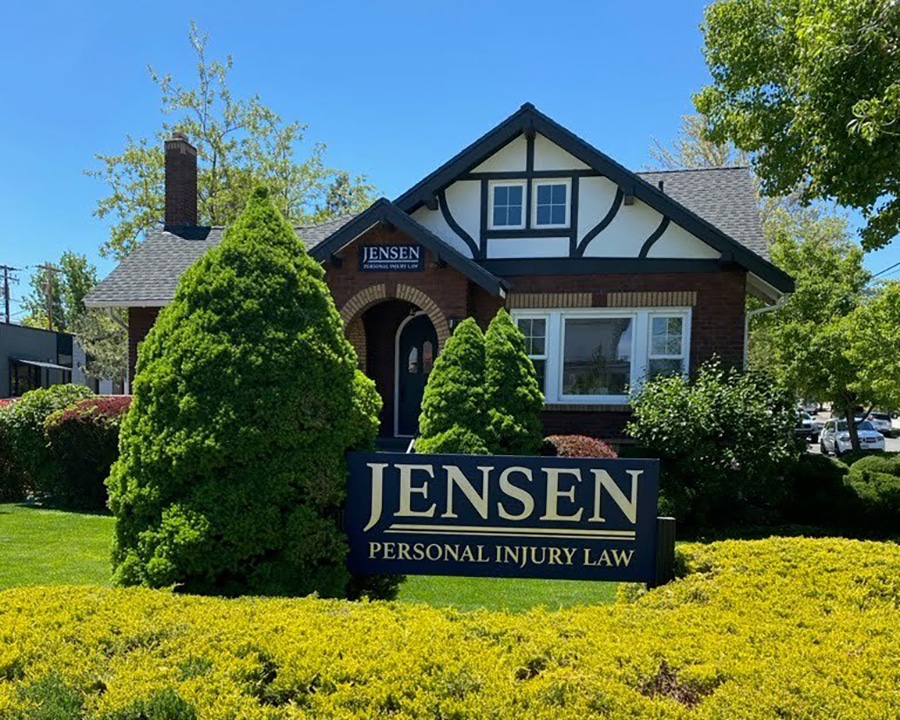
If you are still asking yourself, “do I need a personal injury lawyer?”, remember that this decision is ultimately about your financial protection. You shouldn’t have to pay the price for someone else’s careless behavior. When you work with Jensen Personal Injury Law, you are partnering with a Board-Certified Personal Injury Specialist who treats you like family.
We work on a contingency fee basis, which means there is no fee unless we win. This allows you to focus on your recovery while we handle the aggressive legal process needed to advocate for your rights.
The information provided on this site is for general information purposes only. The information you obtain at this website is not, nor is it intended to be, legal or medical advice. You should consult an attorney or doctor for advice regarding your own individual situation. Use of this website or submission of an online form does not create an attorney-client relationship.